
Pipe coating applies a durable epoxy or polyurea lining inside existing pipes to seal corrosion, restore flow and extend their life without replacement.
What Pipe Coating Means for Your Plumbing System
Pipe coating, also known as internal pipe coating, is a method of restoring existing pipes by applying a lining to the inside of the pipe. That lining, typically made from epoxy or polyurea, bonds to the pipe wall and creates a smooth, corrosion-resistant barrier that improves water flow and stops further deterioration. The pipe you already have becomes the structural shell, and the coating becomes the new surface the water touches.
In many Austin and San Antonio homes, pipes deteriorate due to age, mineral buildup and corrosion. Instead of removing and replacing those pipes, coating allows them to be reinforced from within.
How the Process Works
- Inspection: A camera inspection confirms the pipe’s condition, material and layout, and rules out sections that are collapsed or too damaged to coat.
- Cleaning and drying: Scale, rust and debris are removed so the coating can bond to clean metal, then the line is dried.
- Application: The coating is applied through the pipe’s existing openings and spread evenly along the interior.
- Curing and verification: Once the lining hardens, the line is inspected again to confirm full coverage before it returns to service.
Benefits of Pipe Coating
- Protects against corrosion: Seals the interior of the pipe so water never touches the aging metal.
- Improves flow: The smooth lining reduces buildup and restriction.
- Extends lifespan: Adds years of usability to existing pipes.
- Minimizes disruption: Avoids major demolition or excavation.
Why It’s a Popular Option in Central Texas
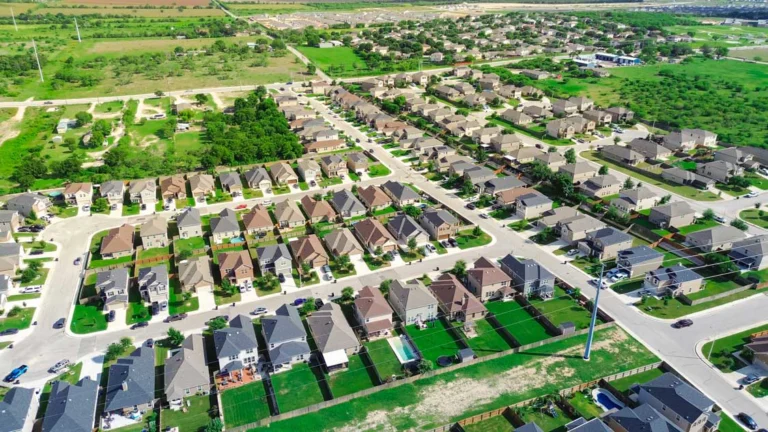
Most homes here sit on slab foundations, and the drain lines and some supply lines run beneath the concrete. Expansive clay soils shift those pipes over the years, and hard water from the Edwards Aquifer and the Highland Lakes leaves mineral scale inside them. Replacing an under-slab line traditionally means jackhammering through floors, tunneling beneath the foundation or trenching the yard. Coating works through existing access points, so in the right situation you keep your floors, your landscaping and your weekend.
Signs Your Pipes Might Be Candidates
- Rusty or discolored water, especially first thing in the morning
- Recurring clogs or slow drains in the same lines
- Pinhole leaks, a history of slab leaks or unexplained water bills
- Low water pressure that doesn’t improve with a new regulator
- Sewer odors or damp spots that suggest a drain line is leaking under the slab
Pipe Coating vs. Repiping
Coating is not the right answer for every pipe. A line that has collapsed, has badly offset joints, or has been invaded by tree roots usually needs repair or replacement, and a pipe that’s too far gone won’t hold a coating. At Radiant, we evaluate your system first with a camera inspection and an honest assessment, then tell you whether pipe coating is the right solution or whether repiping would serve you better over the long run. Either way, you get a written price to approve before any work begins, with no surprise fees.
Wondering whether your aging pipes can be saved? Call or schedule online with Radiant. Our licensed plumbers have served Austin and San Antonio since 1999, and the Home Comfort Guarantee stands behind every job.