Why Is My Water Bill So High?
A water bill is usually high because of hidden leaks, increased household usage, inefficient fixtures, or outdoor watering. In many cases, sewer bills rise at the same time because they’re calculated based on water usage. If your bill spikes without a clear reason, a silent leak is often the cause. Common reasons why your water bill is so high include:
- Hidden or underground leaks
- Running or leaking toilets
- Increased outdoor water use
- Old or inefficient appliances
- Household usage changes
- Billing or meter issues
Why Your Water Bill and Sewer Bill Often Go Up Together
| Issue | Affects Water Bill | Affects Sewer Bill |
|---|---|---|
| Toilet leak | Yes | Yes |
| Outdoor irrigation | Yes | No (usually) |
| Underground leak | Yes | Sometimes |
| Long showers | Yes | Yes |
| Stormwater infiltration | No | Yes |
In Central Texas, utilities such as Austin Water and SAWS (San Antonio Water System) manage both water and sewer billing using the same usage data. Rather than measuring sewer flow directly, these systems estimate sewer charges based on how much water a household uses.
Because of this billing method, when water usage increases, sewer charges usually increase as well. A leaking toilet, underground pipe issue, or increase in daily water use raises the water bill first, and the sewer bill follows — even if some of that water never actually enters the sewer system.
This shared calculation is why homeowners often notice both their water bill and sewer bill rising at the same time, and why sewer costs can feel unusually high during periods of increased water use or hidden leaks.
Common Signs of a Hidden Water Leak in Your Home
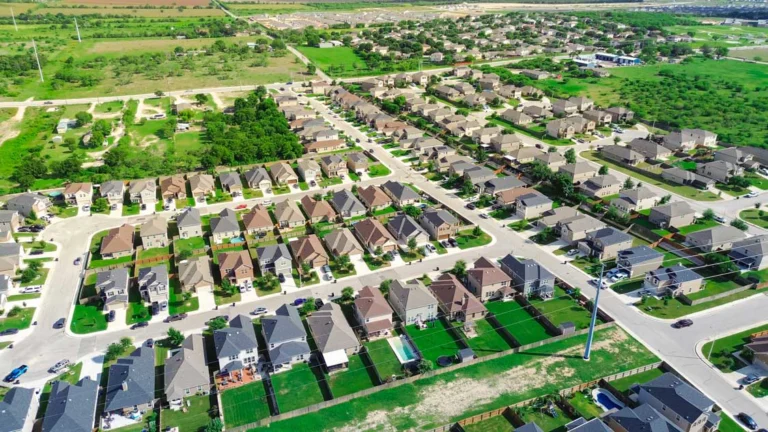
Many Central Texas homes are built on slab foundations, which makes leaks harder to detect early. Instead of visible dripping, water often disperses underground or behind walls. Some of the most common reasons why your water bill is so high include:
- Water meter runs when no water is in use
- Toilet refills on its own
- Hot water runs out faster than usual
- Damp spots, mold, or warm flooring
- Unexplained spike in water and sewer bills
In older Austin neighborhoods, aging pipes or shifting soil can also contribute to slow leaks that go unnoticed for weeks or months.
How Homeowners Can Check for a Water Leak
Before assuming higher usage, a simple water meter test can help confirm whether a leak is present.
- Turn off all water inside and outside the home
- Locate and record your water meter reading
- Wait 30-60 minutes without using water
- Recheck the meter for movement
- If it changed, you likely have a leak
If the meter moves while everything is off, water is escaping somewhere in the system.
Why High Water Bills Catch Homeowners Off Guard
Leaks don’t always make noise, especially when they occur beneath slab foundations or underground. In many Austin and San Antonio homes, leaks can exist for long periods without visible damage inside the house.
Utility companies bill after water has already been used, not in real time. By the time a higher bill arrives, the excess water has already passed through the system.
Sewer charges often lag behind water usage, which can make the increase feel sudden even though it’s been building gradually.
When a Water Leak Detection Company Makes Sense
Homeowner checks, like watching the water meter, are a good first step — but they can only confirm that a leak exists, not where it’s coming from. That’s where working with a professional water leak detection company makes the difference.
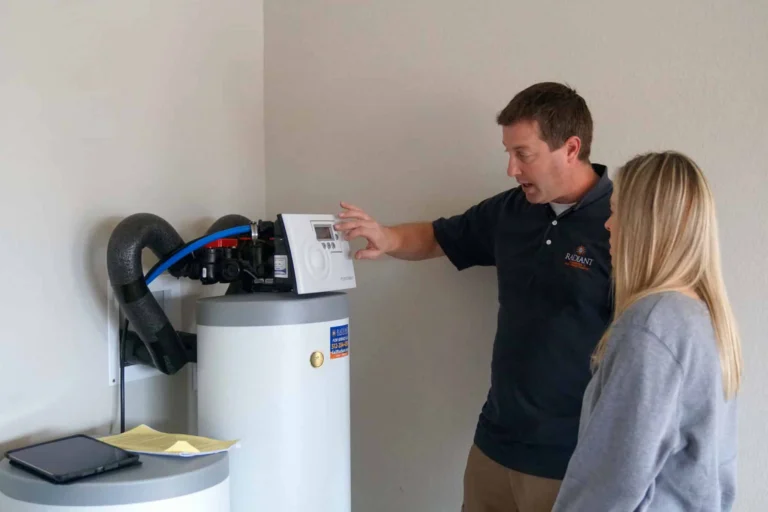
Companies like Radiant use specialized tools that go far beyond visual inspection, allowing leaks to be located accurately without unnecessary digging or damage. This is especially important in Austin and San Antonio homes, where slab foundations and underground plumbing make leaks harder to trace.
- Professional water leak detection is especially helpful for:
- Slab leaks beneath concrete foundations
- Underground pipe leaks between the meter and the home
- Hidden pipe failures behind walls or under flooring
- Ongoing high or rising water and sewer bills with no visible cause
Advanced leak detection technology, such as acoustic listening devices, pressure testing, and non-invasive locating tools, helps pinpoint the source of the problem quickly. This reduces guesswork, limits disruption to the home, and helps prevent continued water loss, structural damage, and ongoing overbilling.
How to Lower Your Water and Sewer Bills Moving Forward
Once the cause of a high bill is identified, preventing repeat issues becomes much easier.
- Repair leaks as soon as they’re discovered
- Replace worn toilet flappers and aging fixtures
- Upgrade to water-efficient appliances
- Review irrigation schedules, especially during hot Texas summers
- Periodically monitor your water meter for unexplained usage
If a bill still seems unusually high, contacting your local utility to review meter readings or billing calculations can also be helpful.