
An air conditioning system cools a home by removing heat and humidity from indoor air, releasing the heat outside and circulating cooled air through ducts.
The Main Parts of an AC System
An air conditioning system is made up of several key components working together:
- Evaporator coil: The indoor coil where refrigerant absorbs heat and moisture from the air passing over it.
- Compressor: The heart of the system, housed in the outdoor unit, which pressurizes refrigerant and keeps it moving.
- Condenser: The outdoor coil and fan that release the collected heat into the outside air.
- Refrigerant lines: The insulated copper lines that carry refrigerant between the indoor and outdoor units.
- Blower motor: The indoor fan that pulls air through the return, across the coil and out through the supply ducts.
- Thermostat: The control that tells the system when to run.
- Air filter, ductwork and condensate drain: The supporting parts that clean the air, deliver it and carry away the water pulled from it.
How the Cooling Cycle Works
Refrigerant moves in a loop. At the indoor coil it evaporates and soaks up heat from the air; the compressor pumps it outside, where it condenses and releases that heat; then it returns indoors to start again. As warm, humid indoor air crosses the cold coil, moisture condenses on it and drips into a pan that drains outside. That is why a properly running system controls humidity as well as temperature, which directly affects comfort and indoor air quality in Austin, San Antonio and across Central Texas.
Types of Systems in Central Texas Homes
Most homes here have a split system: an outdoor condenser paired with an indoor coil and blower, often mounted in the attic above the garage or a hallway. The indoor unit may be a gas furnace or an air handler. Heat pumps look identical from the outside but reverse the cycle to heat the house in winter. Ductless mini-splits serve single rooms without ducts, and packaged units combine everything in one outdoor cabinet.
Early Warning Signs
When one component begins to fail, the entire system struggles, so AC problems usually show up gradually rather than as a sudden shutdown:
- Uneven cooling from room to room
- Longer run times or a system that never seems to shut off
- Rising energy bills with no change in the thermostat setting
- Ice on the refrigerant lines or indoor coil
- Water stains on the ceiling beneath an attic unit
- New rattles, buzzing or a burning smell
What You Can Check Yourself
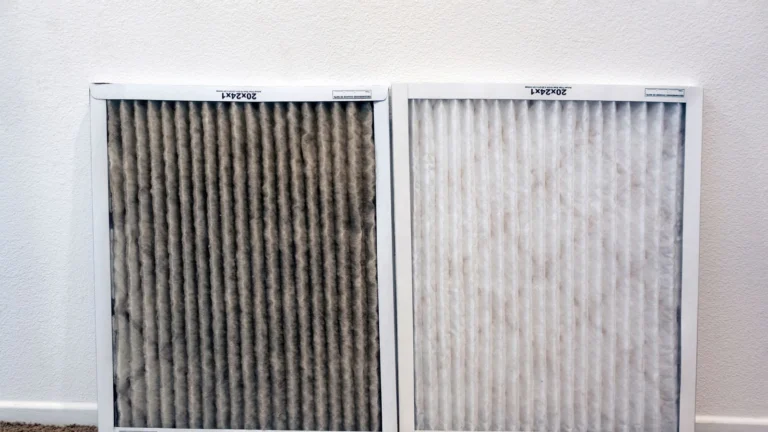
Replace the air filter, make sure the thermostat is set to cool with fresh batteries, and confirm the breakers for both the indoor and outdoor units are on. Clear leaves and grass clippings away from the outdoor unit. If the system shut off and there’s water in the pan under the attic unit, a float switch has likely done its job to prevent a ceiling leak; the drain line needs clearing. Anything involving refrigerant, electrical components or the compressor is a job for a licensed technician.
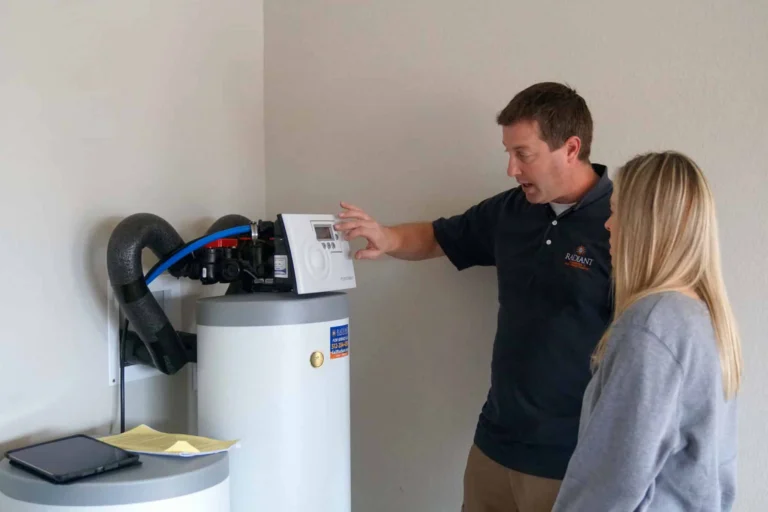
Radiant services complete air conditioning systems, not just individual parts. Our technicians evaluate how the system operates as a whole to ensure reliable cooling and long-term performance in Central Texas heat.
Whether your AC needs a tune-up, a repair or a straight answer about replacement, call or schedule online with Radiant. We’ve served Austin and San Antonio since 1999 with 24/7 service, upfront pricing approved before work starts, and the Home Comfort Guarantee.