
Know Your Heating System
Most Central Texas homes use one of these systems:
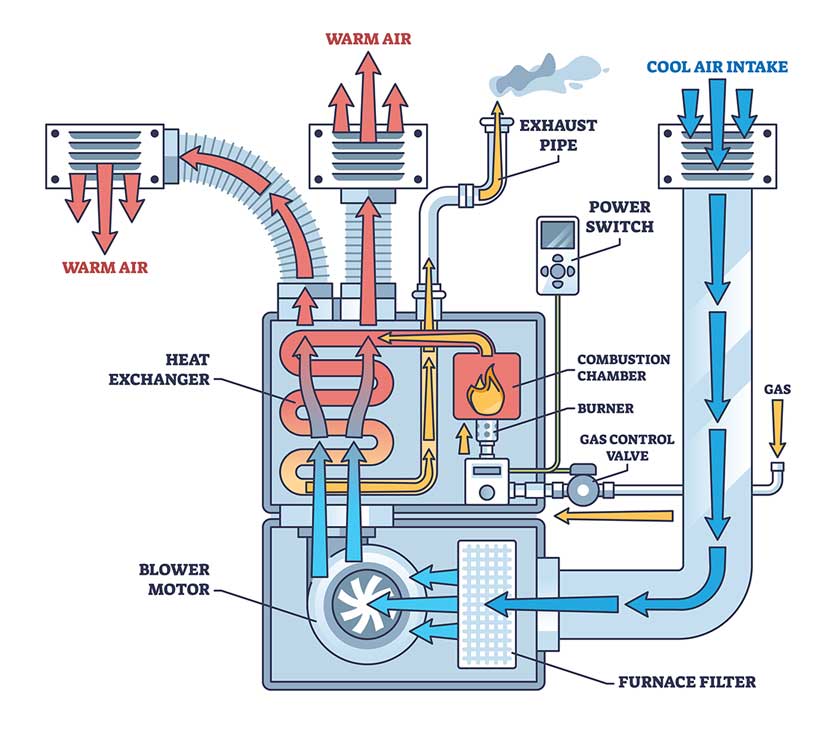
- Furnaces: Use gas burners and a heat exchanger—or electric heating elements—to warm the air. A blower fan then pushes that heated air through ducts and into your home.
- Heat Pumps: Instead of creating heat, they move it. In heating mode, they pull warmth from the outside air and deliver it indoors using refrigerant and an air handler.
- Boilers: Heat water and circulate it to radiators or baseboards, providing even, comfortable warmth without the need for ducts.
Key parts to recognize:
- Thermostat: Communicates with your system to control temperature.
- Blower or Air Handler: Moves warm air through the ductwork.
- Burner, Heat Exchanger, or Heating Elements: Where the heat is generated.
- Filters and Return Vents: Keep air clean and flowing smoothly.
- Safety Devices: Flame sensors, pressure switches, and limit switches keep your system operating safely.
Quick ways to identify your setup:
- Gas Furnace: Has a gas line, shutoff valve, and vent pipe leading outside.
- Electric Furnace: Uses heating coils—no gas piping or venting.
- Heat Pump: Includes an outdoor unit connected by refrigerant lines; both the fan and compressor run in heat mode.
Simple Checks to Confirm It’s Working
If you’re asking, “How do I know if my furnace or heating system is working?” start with these quick steps before calling for service.
- Thermostat Settings: Make sure it’s set to Heat, and raise the temperature 3–5°F above room level. If your furnace not turning on persists, replace the thermostat batteries and double-check the mode and schedule settings.
- Power and Switches: Check your breaker panel for tripped circuits labeled furnace, air handler, or heat pump. Reset once if needed. Ensure nearby service switches are ON, and for gas systems, verify that the gas valve is open.
- Error Codes and Indicators: Many furnaces have a viewing window with blinking lights. Match the pattern to the chart on the access panel. For heat pumps, seeing “Aux Heat” or “Emergency Heat” briefly on the thermostat is normal—but constant use could mean your system needs attention.
When your system is running properly, you should feel warm air from supply vents within a few minutes and see the indoor temperature rise steadily. If you notice furnace not blowing hot air or heater not working symptoms, move to the next section.
Signs Your Heating Isn’t Performing
Catching small issues early can prevent larger repairs later. Watch for these signs that point to furnace troubleshooting or professional inspection.
- Unusual Noises: Banging, screeching, or rattling could indicate blower issues, loose parts, or ignition problems. Persistent humming or whistling often means airflow restrictions or duct leaks.
- Uneven or Weak Heat: Cold spots or inconsistent warmth may come from dirty filters, duct issues, or poor thermostat placement. If your furnace runs constantly but never reaches the set temperature, there may be airflow or fuel supply problems.
- Odors: A brief dusty smell at first startup is normal. Ongoing metallic or electrical odors can signal motor or wiring trouble. If you smell gas (rotten egg scent), turn off the system, evacuate, and call your utility provider and a professional immediately.
- Operational Red Flags: Frequent on-and-off cycling can point to thermostat errors, restricted airflow, or safety switch activations. Cold air during heat mode can indicate ignition failure or a reversing valve issue in heat pumps.
Step-by-Step Troubleshooting
If you’re still facing a furnace not working issue, follow this step-by-step process to narrow down what’s happening:
- Confirm Thermostat Temp: Set to Heat and raise the temperature. If your furnace not turning on continues, check batteries, mode, and fan settings.
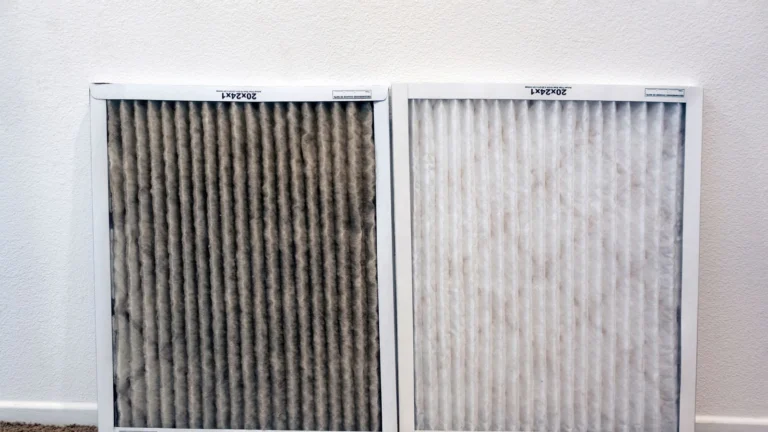
- Check Airflow: Make sure return vents are open and filters are clean. Restricted airflow is one of the top causes of furnace troubleshooting calls.
- Listen and Observe: Watch for normal fan startup and ignition. For heat pumps, confirm the outdoor unit is running and free of ice buildup.
- Measure Performance: After 10–15 minutes, rooms should feel warmer and the temperature should climb steadily. If you still feel furnace not blowing hot air, double-check filters or airflow.
- Evaluate Persistent Issues: Uneven heat, short cycling, or error codes mean it’s time for a professional inspection.
Maintenance That Keeps Heat Reliable
Consistent maintenance keeps your heater running safely and efficiently—and gives you confidence that your furnace or heating system is working when you need it most.
- Filters and Cleaning: Replace or clean filters every 1–3 months depending on use and air quality. Keep vents open and clear. For boilers, bleed radiators as needed.
- Professional Tune-Ups: Schedule annual service with Radiant Plumbing & Air Conditioning. Our technicians inspect ignition systems, safety controls, blowers, and refrigerant levels for heat pumps. Preventive care helps avoid breakdowns and maintains your warranty.
- Energy Efficiency: Use a programmable or smart thermostat to reduce energy waste. Seal duct leaks and add insulation to minimize heat loss. Keep the outdoor heat pump area clear for proper airflow.
Routine tune-ups ensure reliable warmth, fewer surprises, and a longer system lifespan.
Why Homeowners Choose Radiant
At Radiant Plumbing & Air Conditioning, we know how stressful it can feel when your heater isn’t working properly. That’s why our approach is designed to be knowledgeable, approachable, and reassuring—offering expert guidance and practical solutions that restore both comfort and confidence in your home.
What sets Radiant apart:
- Expert diagnostics: Clear answers and a precise plan—no guesswork.
- Skilled technicians: Highly trained pros who handle furnaces, heat pumps, and boilers with care.
- Transparent pricing: Upfront quotes and practical options to fit your goals and budget.
- Fast scheduling: Responsive service to get your heat back on quickly.
- Long-term value: Preventative insights that help lower energy costs and reduce future repairs.
From simple furnace troubleshooting to complex repairs, Radiant delivers reliable results and professional support—so you can stop worrying about a furnace not working and start enjoying a warm, comfortable home again.
Get Comfortable, Quickly
If your furnace not working, furnace not turning on, or furnace not blowing hot air has you worried, start with the basics: check your thermostat, power, and filters. If the problem continues, our team at Radiant Plumbing & Air Conditioning is here 24/7 with trusted, professional heating service.
Ready to confirm your system is working—or get it back on track? Call Radiant to schedule an inspection or tune-up. We’re here to keep your home warm, efficient, and worry-free all winter long.