
You can, but a licensed plumber is the safer choice. Installing a softener means cutting into the main line, adding a drain, setting a bypass, and meeting code.
What a Softener Installation Actually Involves
Installing a water softener is more than connecting a unit to a water line. Done correctly, the job includes:
- Choosing the right location: After the meter and pressure reducing valve but before the water heater, so every hot and cold line indoors gets softened water. Outdoor hose bibs are usually left on hard water to save salt.
- Cutting into the main line: Tying in with the correct fittings for your pipe type, whether copper, PEX, or CPVC, and supporting the added weight.
- Creating a drain connection: The softener discharges brine during regeneration, and that drain line needs a proper air gap and a legal place to go, such as a standpipe, utility sink, or floor drain.
- Setting the bypass valve: So water can be routed around the unit for service without shutting off the house.
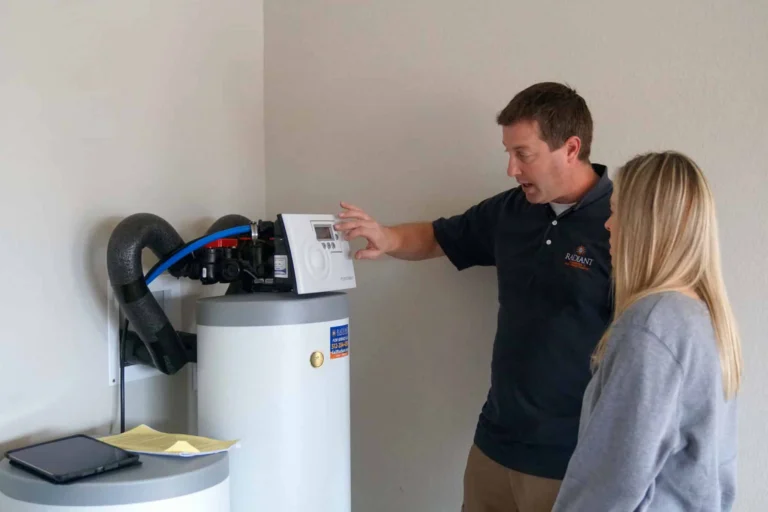
- Power and programming: A nearby outlet for the control head, then setting hardness, household size, and regeneration schedule so the system neither wastes salt nor lets hard water through.
- Startup: Flushing the resin, checking every joint for leaks, and verifying the first regeneration cycle.
Where DIY Installations Go Wrong
Improper installation can lead to leaks, drainage problems, reduced performance, or damage to the plumbing system. The common mistakes we see when we are called to fix a homeowner install:
- Slow drips at soldered or compression joints that soak drywall before anyone notices
- A drain line pushed directly into a drain with no air gap, which creates a cross-connection
- The unit installed where it also softens irrigation water, burning through salt
- Hardness set wrong, so the system either regenerates constantly or barely at all
- A bypass left partly open, letting hard water mix with soft
- No permit pulled where one was required
DIY installation can also void the manufacturer’s warranty, which matters most on the expensive control valve.
Central Texas Details That Change the Job
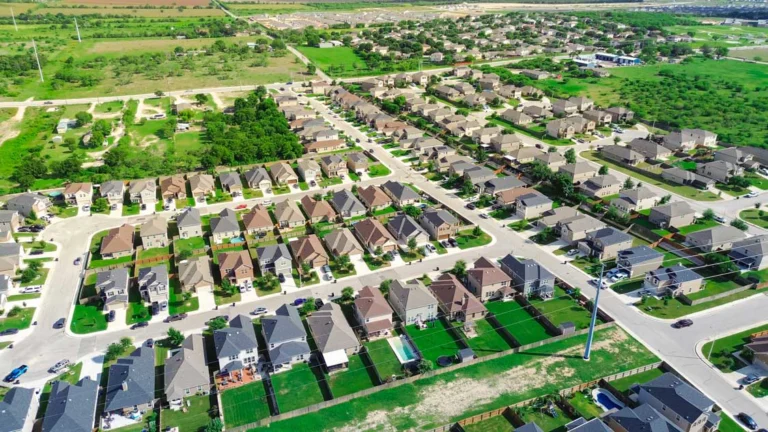
Many newer homes in Austin and San Antonio have a pre-plumbed softener loop in the garage, which makes installation simpler but still requires correct connections, a drain, and programming. Older homes on slabs often have no loop and no convenient drain, so the plumber has to find a code-compliant route. Garage and outdoor installations also need freeze protection, because the hard freezes Central Texas gets every few winters can crack an unprotected softener head. Finally, our water from the Edwards Aquifer and Highland Lakes is hard enough that sizing matters. An undersized unit runs out of capacity between regenerations and lets scale through.
What You Can Do Yourself
Homeowners can comfortably handle the ongoing care: adding salt, breaking up salt bridges, testing water hardness with strips, and checking the drain line. You can also measure your space and locate your main shutoff and softener loop, if you have one, before the estimate so the plumber can quote accurately.
When to Call a Plumber
Call a licensed plumber if your home has no softener loop, there is no drain nearby, your pipes are galvanized or show corrosion, you want to add filtration or a reverse osmosis system at the same time, or you simply want the warranty intact and someone accountable if a joint ever leaks.
Professional Water Softener Installation From Radiant
Radiant has installed water softeners for Austin and San Antonio homeowners since 1999. Our licensed technicians size the system to your water and household, install it to code with a proper drain and bypass, and program it correctly. You approve upfront pricing before any work starts, there are no surprise fees, and the job is backed by our Home Comfort Guarantee. Call or schedule online to get soft water done right the first time.