
A home furnace is a heating system that warms air and distributes it through your ductwork; most furnaces run on natural gas, electricity or propane.
How a Furnace Heats Your Home
When the thermostat calls for heat, a gas furnace lights its burners and sends hot combustion gases through a sealed metal heat exchanger. The blower pulls air from your return ducts, pushes it across the hot exchanger and sends the warmed air out through the supply ducts to each room. Combustion gases exit safely through a flue or vent pipe, never mixing with the air you breathe.
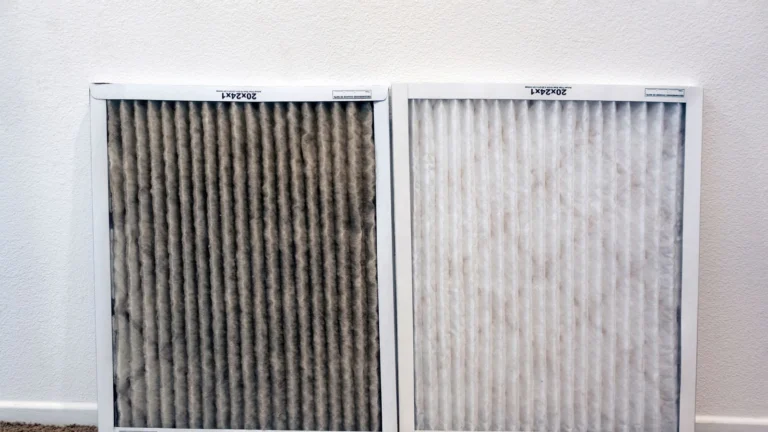
An electric furnace works the same way but uses heating elements in place of burners, so it has no flame, no flue and no combustion. Either way, the air passes through a filter first, which is why a dirty filter is one of the most common causes of heating problems.
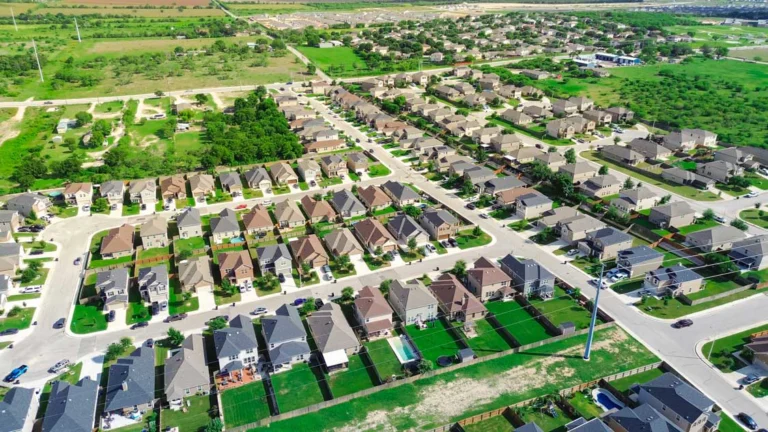
Furnaces in Austin and San Antonio Homes
Gas furnaces are common in Central Texas because of their efficiency, while electric furnaces are typically found where gas service isn’t available. Many local furnaces are installed in the attic, where they share a cabinet and blower with the air conditioner’s indoor coil. That means the same equipment moves cooled air all summer and warm air on cold nights.
Some homes use a heat pump instead of a furnace. A heat pump runs the air conditioner in reverse to pull heat from outdoor air, and it may have electric backup strips for the coldest weather. If you’re not sure which you have, the label on the indoor unit or your thermostat settings will usually tell you.
Why Your Furnace Still Matters in a Mild Climate
Central Texas winters are short, but hard freezes do arrive, and they tend to arrive all at once. A furnace that sat idle for nine months is asked to run for days straight, and that is when weak igniters, cracked belts and tired blower motors give out. A fall tune-up catches those problems before the first cold night does.
Warning Signs Your Furnace Needs Attention
- Lukewarm or no heat: The blower runs but the air never gets warm.
- Short cycling: The furnace starts and stops every few minutes without reaching the set temperature.
- Burning smell that lingers: A brief dusty smell on the first run of the season is normal. A smell that continues is not.
- Yellow or flickering burner flame: A healthy gas flame burns steady and blue.
- Rising energy bills: Often the first sign a system is working harder than it should.
- A carbon monoxide alarm: Leave the house and call for help before doing anything else.
What You Can Check Yourself
Before you call, confirm the thermostat is set to heat and above room temperature, replace the air filter, and check that the furnace breaker and the power switch near the unit are on. If your furnace is in the attic, use a flashlight and take care on the walkway. Anything beyond that, including burners, the gas valve, the ignition system, the heat exchanger and the flue, should be left to a licensed professional. Mistakes with gas and combustion are not worth the savings.
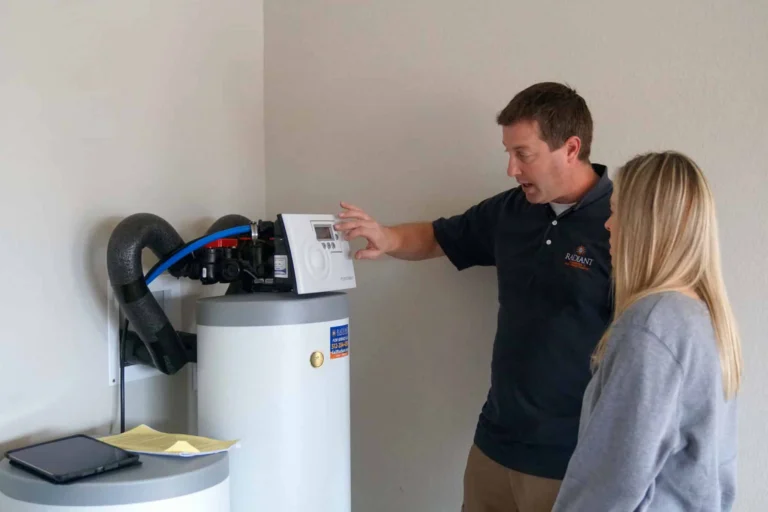
Radiant services, repairs and installs home furnaces throughout Central Texas, and our technicians take the time to explain how your system works and how to keep it running reliably.
Whether your furnace needs a tune-up, a repair or a straight answer about replacement, call or schedule online with Radiant. We’ve served Austin and San Antonio since 1999 with licensed technicians, 24/7 service and upfront pricing you approve before any work starts.