Updated: March 30, 2026
Carbon monoxide (CO) is a colorless, odorless gas that can leak from fuel-burning appliances in your home. Because you can’t see or smell it, recognizing the warning signs early is critical.
If there’s a carbon monoxide leak, the signs may come from your appliances, your indoor air, or how you feel. Many homeowners first notice issues with systems like their furnace, water heater, or HVAC equipment. Below, we’ll break down how to tell if carbon monoxide is present, what causes these leaks, and what to do if you suspect a problem.
How to Tell If There’s Carbon Monoxide in Your Home
Common signs of a carbon monoxide leak include:
- Yellow or flickering furnace flame instead of blue
- Soot or staining around vents or appliances
- Unusual condensation on windows or cold surfaces
- Pilot light that won’t stay lit
- Stale or stuffy indoor air
- Headaches, dizziness, or nausea indoors
Important: Carbon monoxide has no smell. If you notice a gas odor, that’s a different safety issue. Leave your home immediately and call for help. Because carbon monoxide is invisible, warning signs aren’t always obvious. If something feels off—like unusual appliance behavior, repeated pilot outages, or symptoms that improve when you leave the house—it’s important to have your system inspected.
What Causes Carbon Monoxide Leaks in a Home
Carbon monoxide leaks happen when fuel-burning appliances don’t burn or vent properly. While furnaces naturally produce small amounts of carbon monoxide during operation, those gases should stay contained and safely exit your home.
Common causes include:
- Cracked heat exchangers in furnaces
- Blocked or corroded vent pipes
- Malfunctioning HVAC systems
- Gas appliances running inefficiently
- Poor airflow from dirty filters or duct issues
During a professional inspection, technicians use combustion testing and airflow diagnostics to confirm your system is operating safely and venting correctly.
Appliances That Can Leak Carbon Monoxide
Carbon monoxide can come from several systems in your home, especially fuel-burning appliances:
- Gas furnaces (most common)
- Water heaters
- Gas stoves and ovens
- Fireplaces
- Boilers and radiators
- Vehicles running in attached garages
Issues like faulty ductwork, blocked vents, or restricted airflow can prevent gases from venting properly. Over time, this can allow carbon monoxide to enter your living space.
Signs Your Furnace Is Leaking Carbon Monoxide
Your furnace is one of the most common sources of carbon monoxide leaks. Watch for:
- Yellow pilot flame instead of blue
- Rust or corrosion on vent pipes
- Soot buildup around the furnace
- Furnace frequently shutting off
- Poor air quality or stale air
- Elevated carbon monoxide levels during inspection
Can a Furnace Leak Carbon Monoxide?
Yes, gas furnaces can produce carbon monoxide when combustion isn’t working correctly.
Common questions homeowners ask:
- Can a furnace leak carbon monoxide when turned off?
- Can an electric furnace leak carbon monoxide?
- Can HVAC systems leak carbon monoxide?
Key clarifications:
- Electric furnaces do not produce carbon monoxide
- Gas furnaces can leak CO if damaged or venting improperly
- HVAC systems can contribute if airflow or venting is compromised
What Are Normal Carbon Monoxide Levels in a Furnace?
Furnaces naturally produce carbon monoxide during combustion, but:
- CO should remain inside the venting system
- It should never enter your living space
- Elevated CO levels during testing indicate a problem
What to Do If You Suspect a Carbon Monoxide Leak
If you suspect a carbon monoxide leak:
- Leave your home immediately
- Get fresh air and seek medical attention if needed
- Call emergency services if symptoms are severe
- Do not re-enter until it’s safe
- Contact a licensed professional to inspect your system
Symptoms of Carbon Monoxide Exposure
Carbon monoxide exposure can cause:
- Headaches
- Dizziness
- Nausea
- Confusion
- Shortness of breath
If multiple people in your home experience these symptoms at the same time, it may indicate a carbon monoxide issue. 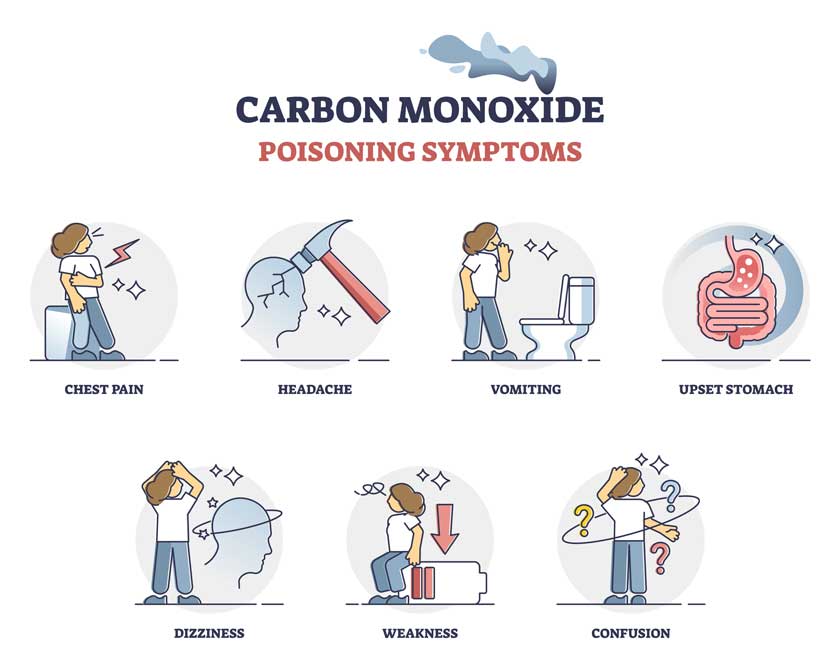
The severity of symptoms depends on exposure levels. If you believe you’re experiencing carbon monoxide poisoning, leave the building immediately and seek medical attention.
How to Prevent Carbon Monoxide Leaks
To reduce your risk:
- Install carbon monoxide detectors
- Schedule annual furnace and HVAC inspections
- Replace air filters regularly
- Keep vents and flues clear
- Address small issues before they become major problems
You can also schedule regular furnace tune-ups through Radiant’s Care Club home maintenance program. Routine maintenance helps keep your system running safely and can catch small issues before they become serious risks.
When to Call a Professional for CO or Gas Leak Detection
If you notice signs of a carbon monoxide leak or unusual appliance behavior, it’s important to have your system inspected right away. Radiant provides:
- Furnace diagnostics
- Gas leak detection
- Venting and airflow inspections
- Whole-home safety checks
Your safety comes first. If something doesn’t feel right, it’s always better to have it checked.
Carbon monoxide leaks can come from multiple systems in your home, and the warning signs aren’t always obvious. Knowing what to look for—from appliance issues to changes in air quality or how you feel—can help you act quickly and stay safe.
If you ever suspect a carbon monoxide leak, don’t wait. Getting your system inspected by a professional is the safest way to protect your home and your family.