
Understanding Water Heater Lifespan (Without the Guesswork)
Think of water heater lifespan as a curve, not a cliff. Most units start strong, cruise for years, then slowly lose efficiency before hitting the end. A properly sized, professionally installed system with routine maintenance often lives closer to the top end of the curve. A unit battling scale, high temperatures, or constant hot water demand may wind down sooner.
If you’re trying to decide how long does a water heater last in your household, consider your daily routine. Big morning showers, laundry day marathons, and dishwasher cycles stack up as heat cycles—each one nudging your tank closer to retirement. A tune-up and honest inspection help you see where your unit sits on that curve so you can budget and avoid the “cold shower dash.”
Typical Lifespan by Water Heater Type
Different systems age differently — and care matters:
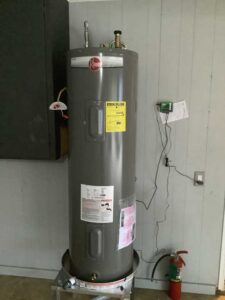
- Traditional tank heaters (gas or electric): 8–12 years is common. The glass lining and anode rod do the heavy lifting against corrosion.
- Tankless heaters: 15–20 years with regular descaling, filter cleaning, and proper venting. Heat exchangers love clean water.
- Heat pump (hybrid): 10–15 years, often tied to usage and airflow conditions. They’re efficient, but they appreciate regular checks.
- Indirect tanks: 10–15 years when paired with a reliable, well-maintained boiler system.
If you’re not sure how old your unit is, we can decode the serial number and check key components. For tanks, the anode rod’s condition is a big predictor of remaining life. For tankless, scale on the heat exchanger and venting issues are the usual suspects. Either way, a quick evaluation can clarify whether hot water tank repair will keep things humming or whether water heater repair or replace is the smarter move.
What Shortens, or Extends, Water Heater Life?
A few everyday factors make a big difference in how long should a hot water tank last:
- Hard water: Central Texas water has minerals that form scale. Scale insulates heating surfaces, forcing longer cycles and more wear.
- Lack of maintenance: Sediment build-up leads to rumbling tanks, overheated surfaces, and early failure.
- High temperature settings: Running hot (above 130°F) speeds up corrosion and stresses components.
- Heavy usage: Big households and frequent draws mean more heating cycles and faster wear.
- Installation quality: Venting, sizing, and materials matter. A great install sets the stage for a long, efficient life.
- Neglected anode rod: Once it’s consumed, the tank itself becomes the next target for corrosion.
Pro tip: An annual flush and periodic anode rod replacement can add years to a tank’s life. For tankless systems, routine descaling is the difference between 10 and 20 years. If you want to fix water heater performance and keep efficiency high, consistent maintenance is your secret weapon.
Signs Your Water Heater May Be Nearing the End
Keep an eye (and ear) out for these telltales. If they show up, it’s time to talk water heater repair or replace with a pro:
- Age: Tank units over 10 years old deserve closer monitoring; plan for replacement in the coming years.
- Temperature trouble: Lukewarm water, slow recovery, or fluctuating temps can point to failing elements, burners, or deeper wear.
- Rust-colored water: Corrosion inside the tank or piping often shows up as brown or reddish water.
- Rumbling or popping: Sediment “bakes” on the bottom and makes noise, plus it stresses the tank.
- Leaks or moisture at the base: Even small leaks can signal the beginning of the end for a tank.
- Frequent repairs: If you’re on a first-name basis with your reset button, it’s time to reassess.
Radiant’s licensed plumbers can test thermostats, heating elements, gas valves, and safety controls; check for hidden leaks; and evaluate venting. You’ll get a clear recommendation and honest pricing — no scare tactics, just facts.
Repair or Replace? A Simple Framework
Not sure whether to fix water heater issues or move on to a new unit? Use this quick guide:
Repair makes sense if:
- The unit is under ~8 years old
- The issue is minor (thermostat, heating element, igniter, pilot light, small valve)
- No sign of leaks or advanced rust
A water heater replacement is smarter if:
- The tank is 10–15+ years old
- There’s an active leak, visible rust, or accelerating corrosion
- Breakdowns are frequent or recurring
- You want more hot water, quieter operation, or improved efficiency
When you weigh water heater repair or replace, think long term. A big repair on a 12-year-old tank often costs more than it’s worth. Upgrading can lower utility bills, reduce surprise breakdowns, and deliver better comfort. Radiant will compare options—tank vs tankless, efficiency ratings, rebates—and help you choose what fits your home and budget best.
Maintenance That Helps Your Water Heater Last Longer
Routine care is the easiest way to extend lifespan and performance, especially with San Antonio & Austin’s hard water. Our water heater maintenance services include:
- Annual tank flush: Clears sediment to restore efficiency and protect the tank.
- Anode rods: Inspection and replacement keeps corrosion at bay so your tank doesn’t become the sacrificial metal.
- Safety checks: We test T&P valves, gas shutoffs, electrical connections, water lines, and seals.
- Venting and combustion checks (for gas): Ensures safe exhaust and optimal burner performance.
- Temperature calibration: Confirms efficient settings and consistent hot water.
- Tankless descaling and filter cleaning: Protects heat exchangers and maintains peak output.
If you want your water heater to reach the longest lifespan possible, routine maintenance is the key. Our Care Club includes an annual plumbing tune-up that helps prevent sediment buildup, corrosion, and performance issues. And if scale is a concern in your home, we can also recommend the right water treatment solutions to protect your entire plumbing system.
How Texas Water and Weather Affect Lifespan
From Round Rock to Buda, mineral-heavy water is a fact of life. Hard water speeds up scale formation, which reduces efficiency and puts extra strain on both tank and tankless water heater systems. If you see chalky residue on fixtures, cloudy water, or frequent showerhead clogs, your water heater’s fighting the same battle.
The good news? Regular flushing, descaling, and anode rod care keep mineral build-up in check. With consistent maintenance, how long should a hot water tank last in Central Texas? Often right at the top of the expected range—or longer. Our team can also set you up with water softening or conditioning options that protect your plumbing and your appliances.
Efficiency and Performance Over Time
Before a water heater fails, it usually sends a text in the form of higher bills and slower recovery times. Sediment reduces capacity, worn parts cause temperature swings, and combustion issues on gas units waste energy. Electric models can suffer from tired elements and thermostats.
If you’ve noticed longer waits for hot showers or rising utility costs, a tune-up may be all you need to fix water heater performance. If the unit’s older and struggling, upgrading to a high-efficiency model can pay for itself in comfort and savings. Either way, we’ll show you the numbers so you can decide with confidence.
Texas Trusts Radiant for Water Heaters
Radiant Plumbing, Heating & Air Conditioning has served Austin, San Antonio, and the Hill Country since 1999. We’ve repaired and installed thousands of water heaters, tank and tankless, gas and electric, across our four seasons of “wait, is it summer again?” Here’s what you can expect when you call us:
- Clear answers: We explain what we find, how long a water heater should last, and why it matters—plain language, no jargon.
- Skilled technicians: Licensed pros who respect your home and work safely, cleanly, and carefully.
- Honest options: We walk you through repair vs. replacement with transparent pricing and realistic timelines.
- Quality equipment: Trusted brands sized for your home’s hot water needs, backed by reliable warranties.
- Local expertise: We account for Central Texas hard water, attic installs, and local code requirements to ensure your system runs right from day one.
Whether you’re ready for hot water tank repair, a tankless upgrade, or just a check-up, we make the process straightforward and stress-free.