Updated: January 23, 2026
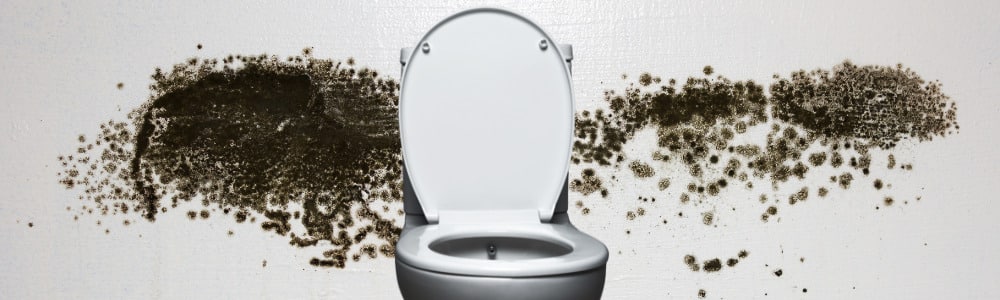
Finding mold around your toilet is unsettling. It looks unsanitary, it smells wrong, and no amount of scrubbing seems to make it stay gone. For homeowners across Austin and San Antonio, toilet mold is one of those problems that feels like a cleaning issue but almost never is.
In Texas homes, toilet mold is usually a symptom of something bigger happening behind the scenes: unwanted moisture caused by a plumbing or HVAC-related issue. The real solution isn’t stronger cleaners or better bathroom habits. It’s fixing the conditions that allow mold to grow in the first place.
Toilet Mold is Common in Texas Homes
Mold needs two things to grow: moisture and time. Central Texas homes provide both…especially when plumbing systems start to fail quietly.
In Austin and San Antonio, most homes are built on slab foundations. Over time, natural soil movement can cause toilets to shift just enough to compromise the wax ring seal at the base. When that seal fails, small amounts of water escape every time the toilet is flushed. You may never see standing water, but the moisture seeps into flooring and subfloor materials where mold thrives.
This is why toilet mold often appears as a dark ring around the base of the toilet rather than inside the bowl. It’s not coming from dirty water splashing out; it’s coming from underneath.
Texas humidity is often blamed, but in reality, persistent toilet mold is far more likely to be caused by hidden leaks than by ambient moisture alone.
Cleaning Your Toilet Doesn’t Always Solve the Problem
Scrubbing mold away can make the bathroom look better temporarily, but it doesn’t address why the mold is there. Cleaners, vinegar, and bleach remove surface growth only. They don’t stop water from leaking under the toilet.
As long as moisture continues to escape beneath the fixture, mold will return. Many homeowners end up stuck in a frustrating cycle of cleaning, watching it come back, and assuming the problem is poor ventilation or bad luck. In reality, the plumbing issue is still active.
Mold acts like a warning sign. It’s telling you water is escaping somewhere it shouldn’t—and the longer that moisture is present, the more damage it can cause to flooring and substructures.
The Most Common Plumbing Issues That Lead to Toilet Mold
In our experience serving homeowners throughout Austin and San Antonio, toilet mold most often traces back to one or more of the following plumbing issues:
- A failing wax ring or toilet seal that allows water to leak with each flush
- A cracked toilet flange or loose mounting bolts causing slight movement
- Improper toilet installation that never fully sealed to begin with
- Drain or vent issues that allow excess moisture to collect around the base
These are not DIY-friendly repairs. Properly fixing the issue requires removing the toilet, inspecting the flange and drain connection, replacing the seal, and resetting the toilet so it’s level, stable, and fully sealed.
When done correctly, the moisture source is eliminated—and mold no longer has what it needs to survive.
How Humidity in the Bathroom Plays a Role
While high humidity isn’t usually the primary cause of toilet mold in Texas, it can make existing moisture problems worse. Bathrooms with poor ventilation or homes with uneven indoor humidity levels may struggle to fully dry out after leaks or plumbing repairs.
In these situations, whole-home or targeted dehumidification can support long-term prevention by keeping moisture levels balanced throughout the house. Radiant Plumbing & Air Conditioning evaluates the entire home environment—not just the visible mold—to determine whether HVAC adjustments or dehumidifier solutions are part of the right long-term fix.
The goal isn’t to treat mold. It’s to remove the conditions that allow it to grow.
Toilet Mold: Plumbing Repairs Come Before Mold Remediation
Mold remediation without fixing the moisture source is a temporary solution at best.
If a toilet leak has caused mold to spread into flooring, walls, or cabinetry, a licensed mold remediation company may be needed after plumbing repairs are completed. We regularly work alongside remediation professionals to ensure the plumbing issue is fully resolved first—so remediation efforts actually last.
Stopping the water comes before removing the mold. Anything else is putting a bandage on a recurring problem.
Radiant Fixes the Cause of Toilet Mold
Homeowners across Austin and San Antonio call Radiant because we don’t just treat symptoms—we fix causes.
Our teams identify hidden leaks, replace failing toilet seals, inspect surrounding plumbing, and address moisture conditions that contribute to recurring mold. When HVAC support is needed, we provide solutions that help homes dry properly and stay that way.
If mold is showing up around your toilet, it’s time to stop cleaning and start correcting the underlying issue. Radiant Plumbing & Air Conditioning helps Central Texas homeowners protect their homes by fixing the plumbing and HVAC problems that make mold possible in the first place.